Pelicans Finding Their Identity: Rotation Shakeup Sparks Blueprint for Success
NEW ORLEANS — After stumbling out of the gate with a 0-4 start, the New Orleans Pelicans may have finally cracked the code. Riding a two-game winning streak, the Pelicans are beginning to show the competitive edge and high-octane ceiling envisioned under first-year head coach Jamahl Mosley.
Early on, growing pains were evident. New Orleans dropped its first three contests by a combined 10 points—flashing stretches of dominance undercut by clunky lineup combinations and late-game collapses. Now, tactical rotation tweaks appear to have handed the Pelicans their blueprint moving forward.
The Good: Efficient Scoring and Disruptive Defense
Despite early-season concerns regarding Mosley’s offensive system, the Pelicans have surprised across the board. New Orleans currently ranks seventh in scoring at 119.7 points per game and sits second in the NBA in team field goal percentage at an efficient 50%.
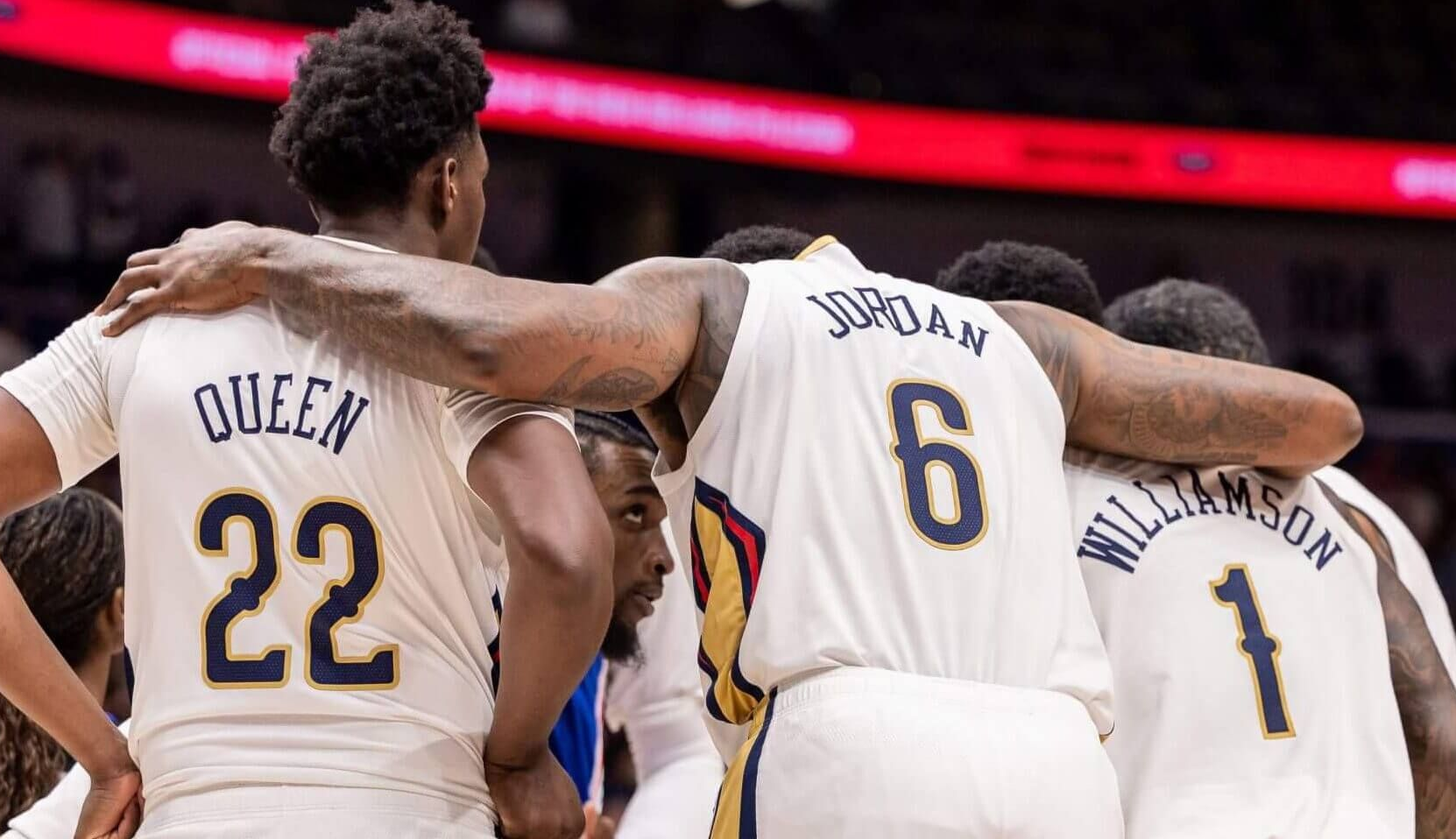
Defensively, Mosley’s signature imprint is taking hold. Zion Williamson, second-year center Derik Queen, and Karlo Matković have all shown noticeable strides on that end of the floor. That collective effort has turned New Orleans into the league's most disruptive unit, leading the NBA with 13.7 steals per game. Williamson sets the pace individually, topping the league with 3.2 swipes a night.
Offensively, Williamson's expanded range has transformed defenses' approach to guarding him. His willingness and ability to knock down perimeter shots forces opponents to respect him as a floor spacer, opening up driving lanes and creating room to operate.
Meanwhile, Jeremiah Fears has bounced back in a big way. After a sluggish start to open the campaign, the second-year guard found his rhythm with back-to-back 20-point performances, showing sharp growth as a primary facilitator while forging strong on-court chemistry with Williamson. The current starting five—Fears, Trey Murphy III, Herb Jones, Williamson, and Matković—offers balanced spacing, defensive versatility, and natural synergy.
The Bad: Stagnant Half-Court Sets and Perimeter Hesitancy
The offensive upside is evident, but significant hurdles remain:
- Ball Security: The Pelicans are coughing up 18.2 turnovers per game, gifting opponents easy transition buckets and stalling their own momentum.
- Late-Game Execution: While New Orleans can score in bunches, its half-court sets frequently stall into uninspired isolation play during crunch time.
- Perimeter Volume: In a modern NBA dominated by the three-point shot, the Pelicans rank dead last in three-point attempts while hitting just 31.2% from deep (25th). Competing consistently without regular perimeter production is an uphill battle.
- The Dejounte Murray Dilemma: While Murray’s talent is undeniable, the fit alongside the current core appears strained. Murray’s high shot volume often halts ball movement and takes touches away from hot hands. More critically, sharing the floor with Murray appears to hinder Fears' development, frequently forcing the young guard into a passive, deferential role.
The Blueprint: What Needs to Change
To turn a two-game spark into sustained success, Mosley and the coaching staff must lean fully into their young core:
- Cement Roles for Jones and Matković: Both Herb Jones and Karlo Matković provide the defensive spine and dirty-work energy this roster requires. Their minutes need to remain consistent and prioritized.
- Unleash Derik Queen as Second-Unit Hub: Queen has proven himself an exceptional playmaker. Letting the sophomore run the offense off the bench maximizes his passing vision and gives the reserve unit a clear offensive identity.
- Feed Zion: Williamson is producing at a hyper-efficient clip—averaging 20 points per game on 64/42/73 shooting splits (69% True Shooting)—yet doing so on just 12 field goal attempts per game. The Pelicans must run more initiator and rim-running actions through Williamson, pushing his workload toward 15 to 20 shots a night.
- Hand the Keys to Fears: The future in New Orleans belongs to Fears and Queen. Allowing Fears to run the starting offense through both success and inevitable growing pains is critical for the long term.
- Resolve the Murray Fit: If Murray cannot adapt to a complementary role that prioritizes the young talent, the front office must explore trade scenarios to open up roster balance and backcourt minutes.
The Pelicans possess the raw talent to make noise. The last two games demonstrated that when the rotation prioritizes defensive disruption, pace, and youth, New Orleans has a formula that works. Now, it’s up to Mosley to stick to it.
A quick share helps us a lot!