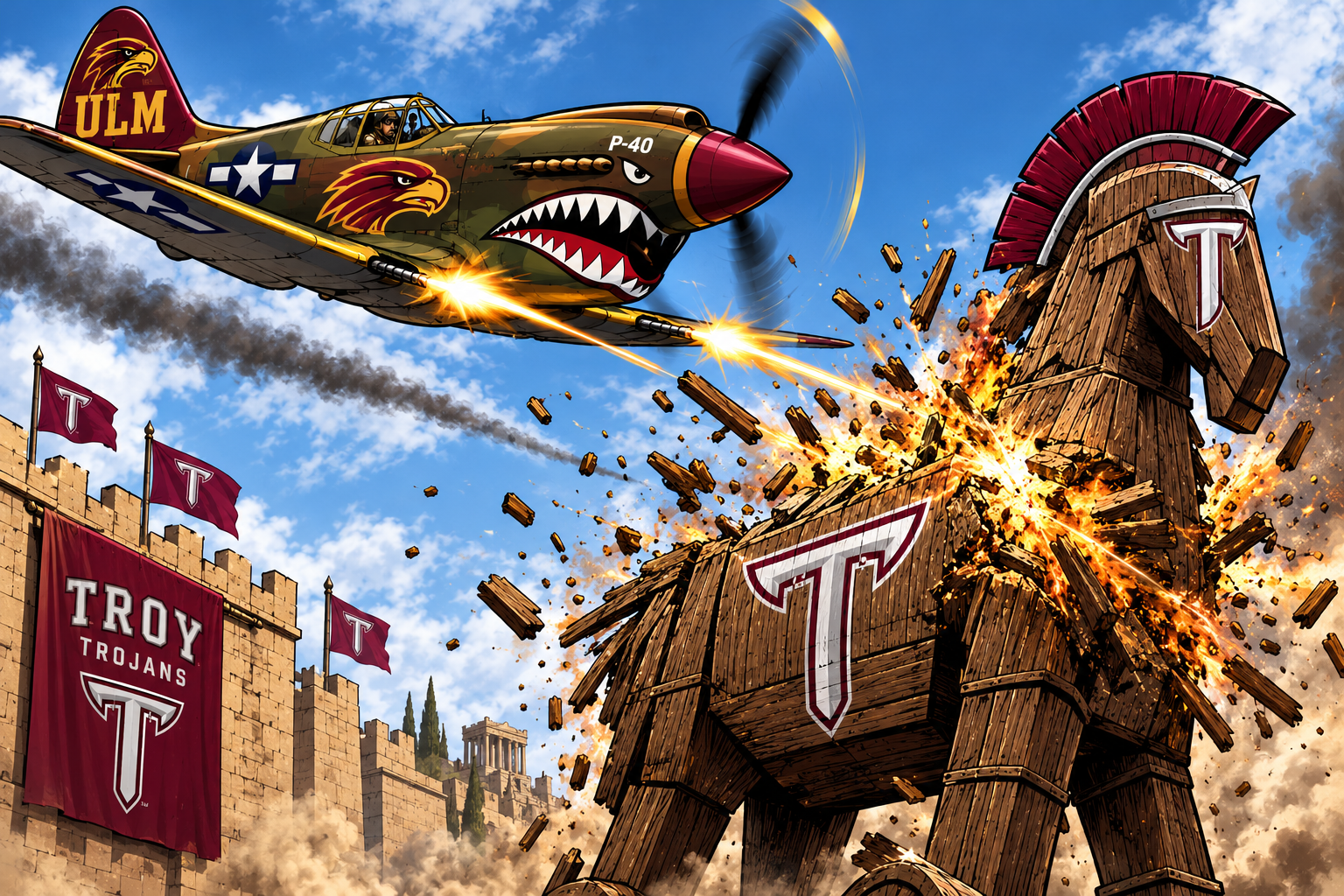
ULM picks up first win of 2026 21-14 over Troy
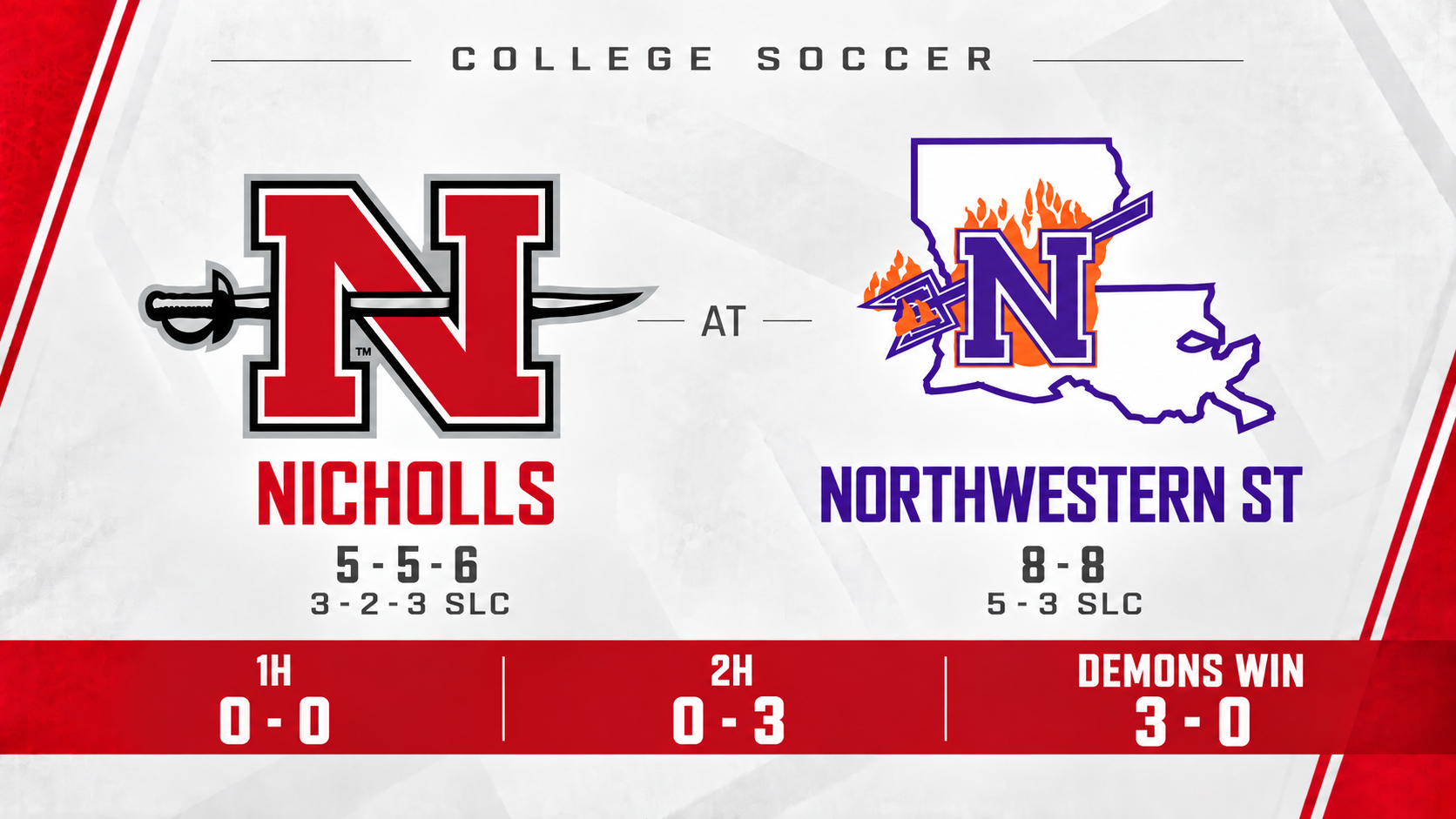
Colonels battle through a scoreless first half before Northwestern State scores three goals in just over six minutes.
Colonels earn first road victory since 2024, end four-game losing streak, and retain the NSU Trophy in Natchitoches.
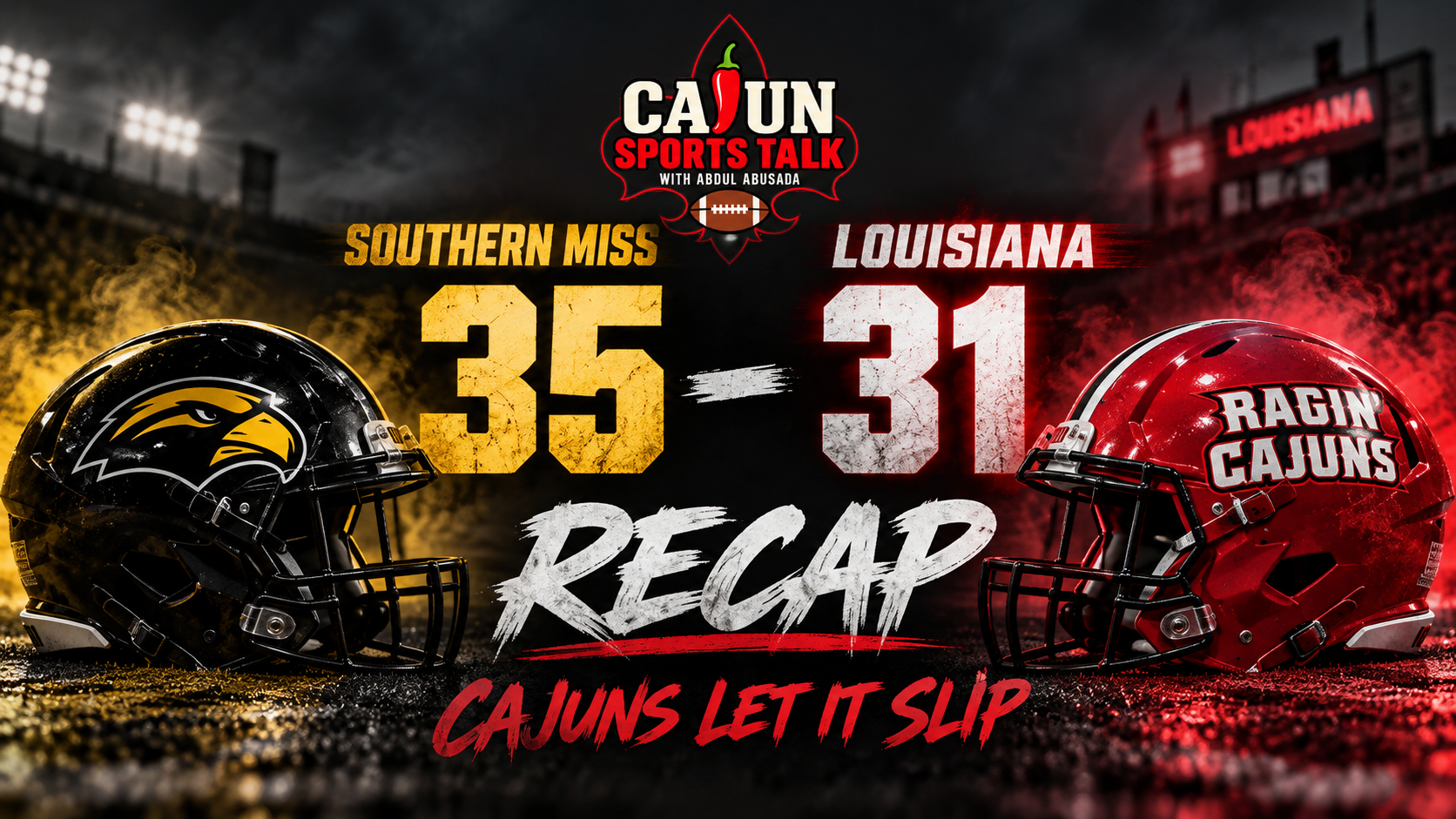
The Louisiana Ragin’ Cajuns suffered another heartbreaking loss on Saturday afternoon, falling 35-31 to the Southern Miss Golden Eagles at Renasant Stadium in Hattiesburg. Despite holding a lead late in the fourth quarter, UL once again failed to finish a game, allowing Southern Miss to march down the field and score the game-winning touchdown with less than a minute remaining. Louisiana entered the matchup looking to build on its dominant 33-6 victory over Troy last weekend. Instead, the Cajuns delivered one of their most frustrating performances of the season against a Southern Miss team that entered Saturday with just one win. The loss drops Louisiana to 5-3 overall and 2-2 in Sun Belt play, with the chance of reaching the Sun Belt title game now being slim to none. Defense Gets Exposed on the Ground Just one week after putting together arguably its best defensive performance of the season against Troy, Louisiana’s defense took a significant step backward against Southern Miss. The Golden Eagles finished with 450 total yards, including a staggering 286 rushing yards and four touchdowns on the ground. Southern Miss averaged 6.7 yards per rushing attempt with two rushers running for over 140 yards each, consistently finding success against what a Louisiana defense that struggled to contain the Golden Eagles’ backfield. Running back Steven Robinson finished with 145 rushing yards and three touchdowns on 22 carries, scoring all three of his touchdowns in the first half. Jamarice Wilder was just as productive, rushing for 154 yards on only 13 carries, including the 16-yard game-winning touchdown with 58 seconds remaining. For comparison, this same Louisiana defense held Troy to just 126 rushing yards a week ago, who rushed for 437 yards against Southern Miss a couple weeks ago. The difference in performance from that standpoint alone is concerning, especially considering Southern Miss entered the game struggling to find success offensively. What makes the defensive performance even more frustrating is that Southern Miss didn’t necessarily need their explosive passing attack to win. Quarterback Landry Lyddy finished with 164 passing yards and no touchdowns. The Golden Eagles were able to move the football primarily by running it, and Louisiana simply couldn’t find a consistent answer. The Cajuns also struggled to get off the field in important situations. Southern Miss converted four of its seven fourth-down attempts, including a devastating fourth-and-one late in the game when Wilder broke free for 28 yards to set up the winning touchdown. Then the self-inflicted mistakes. In the second quarter, an offsides penalty on Louisiana turned a fourth-and-six into a fourth-and-one, which Southern Miss converted before eventually scoring another touchdown. Jake St. Andre led the Cajuns with 11 tackles and a sack, while Lake Bates finished with a career-high 10 tackles. Kody Jackson added nine tackles and a fumble recovery, but the individual defensive efforts weren’t enough to overcome the unit’s struggles. This defense showed against Troy that it is capable of controlling a football game. Saturday’s performance was a disappointing reminder of just how inconsistent it has been. Passing Game Surges in Second Half, but a Costly Mistake Changes Everything One of the few encouraging developments from Saturday was Louisiana’s improvement through the air in the second half. After throwing for just 70 yards against Troy last weekend, quarterback Lunch Winfield bounced back with a career-high 299 passing yards, completing 22 of 41 attempts with two touchdowns and one interception. The Cajuns started the afternoon in the best way they could, putting together a 13-play, 75-yard opening drive that lasted half a quarter and ended with a five-yard touchdown run from Winfield. The Cajuns defense then forced a three and out and got the ball right back, making it seem like they were on their way to put up a stellar game performance. But that wasn’t necessarily the case. Southern Miss orchestrated a seven-play, 67 yard drive in just three minutes for a touchdown. Louisiana later answered a 14-7 deficit when JJ Garner broke free for a 42-yard touchdown run, tying the game in the second quarter. Then trailing 21-14 late in the first half, Winfield connected with Trenton Chaney for a four-yard touchdown with just 31 seconds remaining, sending the teams into halftime tied at 21. Louisiana eventually took a 28-21 lead late in the third quarter when Winfield found Anthony Reagan Jr. for a 31-yard touchdown. At that point, the Cajuns appeared to have gained control of the game, particularly with the defense holding Southern Miss scoreless throughout the third quarter. Unfortunately, that momentum disappeared early in the fourth. With Louisiana still leading 28-21, Winfield threw an interception that Southern Miss defensive back Kolby Peavy returned 30 yards for a touchdown, tying the game at 28 with 10:05 remaining. It was undoubtedly one of the biggest turning points of the afternoon. Instead of forcing Southern Miss to put together another scoring drive, Louisiana handed the Golden Eagles seven points. Winfield deserves credit for making some important throws throughout the game, particularly after the passing game’s struggles against Troy. However, mistakes like that become incredibly difficult to overcome in closely contested conference games. Unfortunately this wasn’t the first time this season, as similar mistakes cost the Cajuns the game against Louisiana Tech a couple weeks ago on the road. Louisiana finished with only 118 rushing yards, its lowest total of the season. Southern Miss came into this game allowing 252 yards per game, the second worst in the country. Garner led the way with 52 yards on seven carries, continuing his streak of five consecutive games with a rushing touchdown. The improvement in the passing game was encouraging, but the Cajuns couldn’t combine that production with the rushing success they had established in previous weeks. Lunch Winfield himself was shut down on the ground by the Golden Eagles, finishing with only seven yards on 13 carries. It’s ever since the USC road game, Winfield has struggled on the ground when on the road, and it was no different on Saturday. Another Fourth-Quarter Collapse The most frustrating part of Saturday’s loss was how Louisiana once again handled the final minutes of a close game on the road. Following Winfield’s interception, the Cajuns responded with an impressive 17-play, 74-yard drive that consumed seven minutes and eight seconds of game clock. Louisiana moved the football all the way to the Southern Miss five-yard line, but the drive stalled after an incomplete pass on third down. Tony Sterner connected on a 22-yard field goal to give the Cajuns a 31-28 lead with 2:51 remaining. While the drive was impressive in terms of controlling possession and moving the football, settling for three points instead of seven proved costly. Southern Miss needed a touchdown to win, and Louisiana’s defense had an opportunity to close out the game. The Golden Eagles marched 75 yards in just eight plays, taking only one minute and 53 seconds off the clock. The Cajuns force fourth down on the Louisiana 44-yard line. With an opportunity to end the drive and essentially secure the victory, the Cajuns allowed Wilder to break free for 28 yards, setting Southern Miss up deep in Louisiana territory. Two plays later, Wilder found the end zone from 16 yards out, giving Southern Miss a 35-31 lead with just 58 seconds remaining. Louisiana had one final opportunity following a 46-yard kickoff return by Ja’Corian Norris, but the offense failed to move the football beyond its own 47-yard line before turning it over on downs. Poor play-calling and offensive execution once again in a late game situation turned another potential victory into another devastating loss. A Frustrating Loss with Bigger Implications The most disappointing takeaway from Saturday isn’t simply that Louisiana lost another close game. It’s that the Cajuns continue to put themselves in positions to win football games, only to come away empty-handed when it matters most. As I kept mentioning, Louisiana suffered a similar loss in Ruston when they lost a heartbreaker to Louisiana Tech 32-31. They were up 31-19 with 11 minutes left in the fourth quarter against the Bulldogs, only to give it up after poor defensive play and poor offensive play calling. Now, the Cajuns have lost another game in the final minute in similar fashion, this time against a Southern Miss team that entered the matchup with a 1-5 record. These are the kinds of games that can ultimately determine whether a team competes for a conference championship or spends the remainder of its season wondering what could have been. And it certainly looks like the latter will be the case. Louisiana will now have to win these last four games, as well as hope that Louisiana Tech loses 3 of their remaining 4 games, in order to make the Sun Belt title game. Knowing the Bulldogs are 4-0 in the Sun Belt and have been playing really good in their first SBC season, it seems unlikely the Cajuns has any chances left. There’s plenty of blame to go around. The defense allowed nearly 300 rushing yards and failed to make critical stops. The offense gave Southern Miss a defensive touchdown and couldn’t finish its final scoring drive in the end zone. Louisiana also went 0-for-3 on fourth-down attempts while allowing Southern Miss to convert four of seven. It’s difficult to point to any one mistake as the reason Louisiana lost. The reality is that multiple mistakes throughout the afternoon contributed to an outcome that should have been avoided. Fifth-year head coach Michael Desormeaux in his postgame interview told the media: “We didn’t play well enough to win…Too many mental mistakes and critical errors.” It’s becoming a season of what-ifs, simply put. Unfortunately, we have seen this time and time under head coach Michael Desormeaux. It is leading to a lot of questions and frustration being voiced by the fan base, and rightly so. The fanbase (and the program) needs more than just another bowl game appearance, and assuming things go the way they’re projected to go, unfortunately it won’t be that way once again this season. Louisiana will have a much-needed bye week before returning home to face South Alabama on November 7 at Our Lady of Lourdes Stadium. The extra week provides an opportunity to address the mistakes that have continued to cost this team. But at some point, those corrections have to translate into results on the field. Saturday wasn’t a game Louisiana lost because Southern Miss was overwhelmingly more talented. It was a game the Cajuns had multiple opportunities to win and simply failed to finish. And unfortunately, that’s becoming an all-too-familiar story this season.
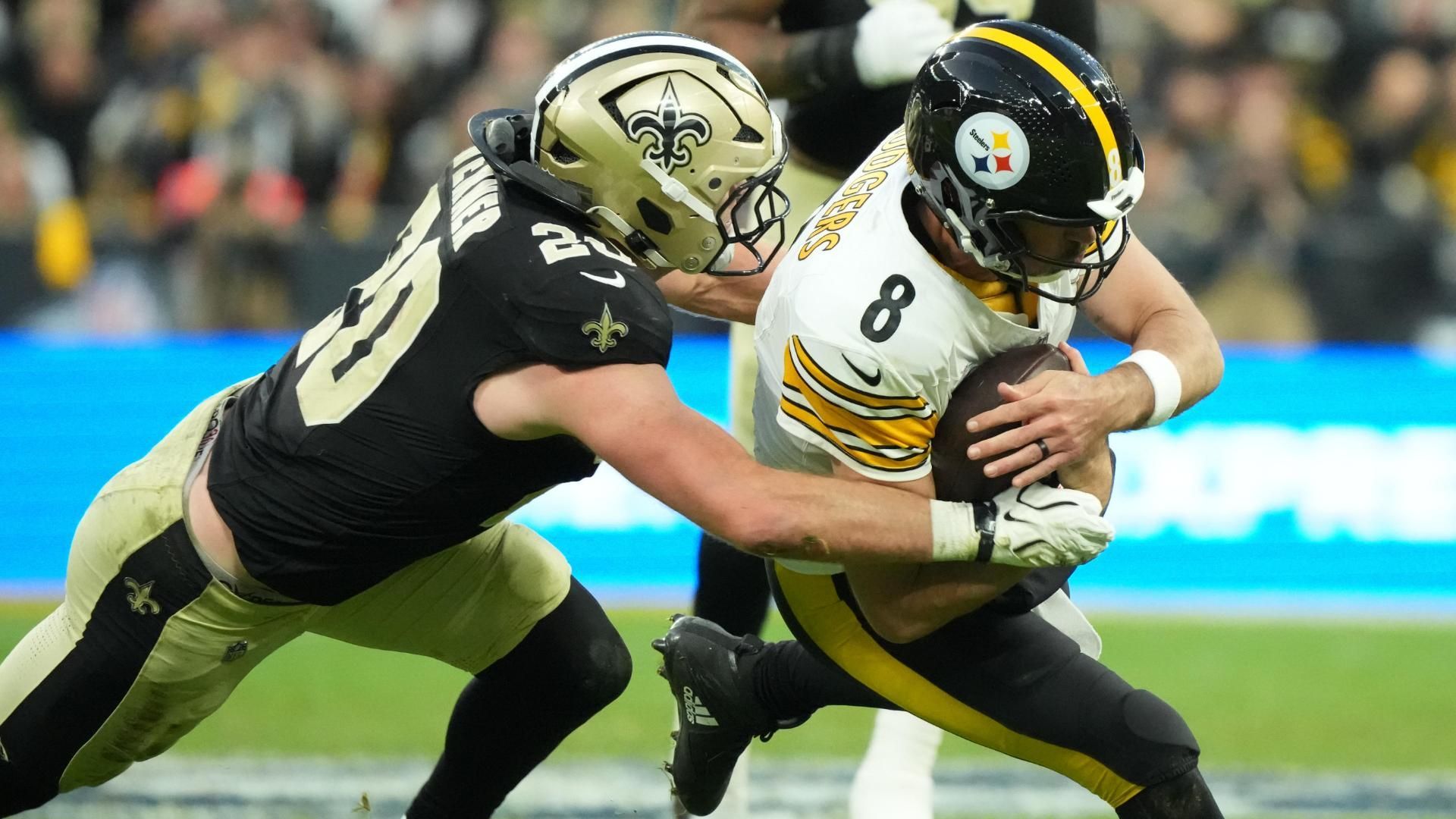
The Saints lost in Paris today. They look lost on the field and the organization from the top down appears lost. The Saints for all of their supposed effort and emphasis on this international game did not show up ready once again to play their opponent. It was once again an embarrassing showing by the offense after many hoped they could carry over their offensive success from last week against the Giants. This game despite the score was not all that close. If it was not for a bad play from Jalen Ramsey against DeVaughn Vele on his TD catch the Saints would not have gotten into the endzone at all today. The complete incompetence of the Saints run game is so astonishing there are so many things you could say but they are all tired at this point. It is nothing new for this team. The simple fact of finding some success last week to then having the worst performance this season but also the NFL’s worst performance in four years speaks to just how bad the coaching and execution of the run game is for the Saints. There is too much being asked of a second year QB with a broken hand to carry this offense and the Saints are failing him by putting him in this position. The ineptitude is not just on offense though. The defense today could not stop the run once again and continue to be one of the worst run defending teams in the NFL. On third down the Saints routinely could not get off the field and allowed the Steelers to drive the ball, chewing up the clock all day long. It felt like the only time the Saints could get a stop was when Chase Young and Carl Granderson were able to get to the quarterback today. Then there were the plays where the coverage just made no sense. When you have Jonas Sanker playing man coverage deep against DK Metcalf you are doing something wrong as a defensive playcaller. It’s not just a one off issue as the Steelers scored their touchdown to Darnell Washington because of the simple size advantage given to them by having Kool Aid in coverage. Cameron Jordan was in coverage down the field the other week. These types of situations cannot happen if you want to be a competitive football team which the Saints just are not anymore. Heading into the bye change is needed for this organization. The status quo is not good enough as fans' patience has reached its limit for this regime. Fans do not want to hear or watch the same story every week and feel apathetic towards their football team but that is exactly what the Saints are doing to their fans. This coaching staff does not have the answers needed to even show the needed signs of improvement to even consider wanting to give them more time. But the front office and Mickey Loomis are just as much to blame for the sad state of affairs the Saints find themselves in. Regime change is needed for the Saints to get where they want to be but until Gayle Benson makes those changes the Saints will continue to be lost.
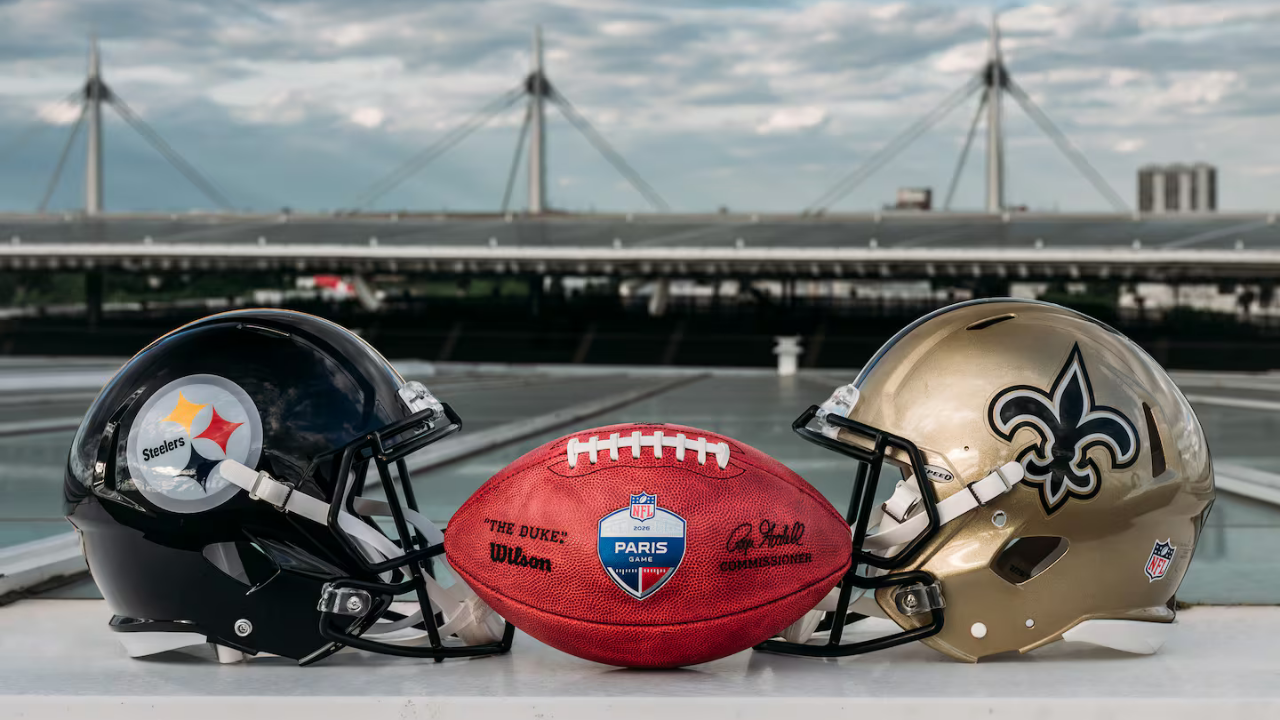
The Black and Gold (which one?) will be looking to continue their winning streak across the pond, surrounded by political unrest.
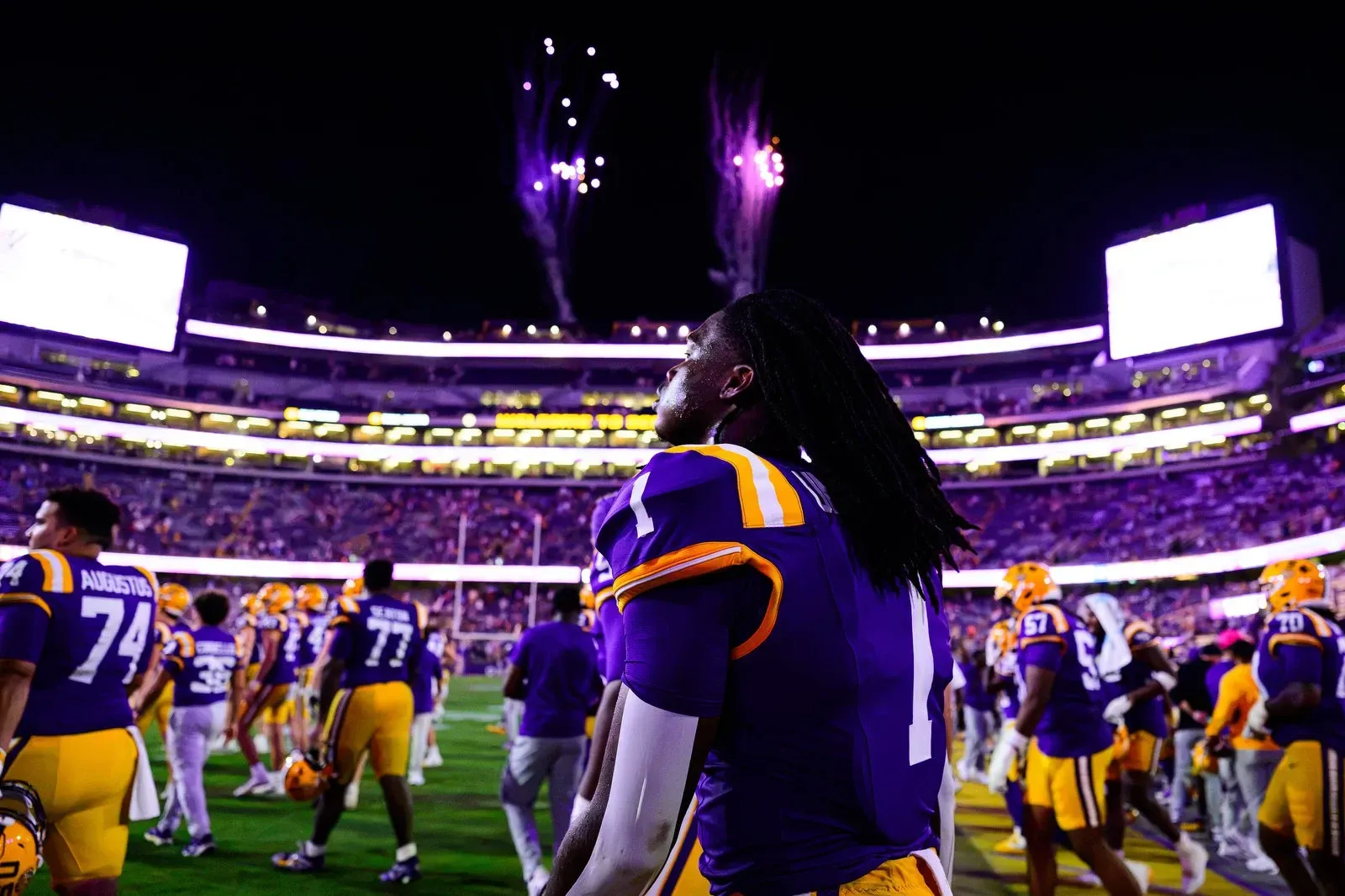
Tiger-on-Tiger/Plainsmen/War Eagle action today as LSU renews its battle with Auburn! This game is a favorite for both fan bases, as it usually involves big plays, superstar heroics, and even some interesting home-field advantages. LSU and Auburn have not played each other since 2023, when the Tigers of Baton Rouge defeated Auburn 48-18. That game was one of the rare blowouts in this series. Unfortunately, with the new nine-game SEC schedule, these two programs will no longer play each other every season. Now, both programs have a lot of hope surrounding them. Lane Kiffin was once courted by the Auburn Tigers, and it was widely believed that, at the end of the 2022 season, Kiffin would make the jump from Oxford to Auburn. However, he decided to stay with the Rebels for three more years. That's when THE Tigers came calling, and this time around, Lane Kiffin decided that Baton Rouge was the better fit for himself and his family. Auburn, on the other hand, has made a few coaching changes since the Kiffin courtship fell through, and now first-year head coach Alex Golesh has this Auburn program feeling very confident about itself. Auburn is coming off one of its biggest victories in the past decade after upsetting No. 1 Georgia on the road last week in Athens. Golesh has Auburn playing a QB-run-heavy offense, as transfer quarterback Byrum Brown leads the team in both rushing and passing. The dual-threat quarterback currently has over 400 rushing yards and more than 1,200 yards through the air. Brown has also added five touchdowns on the ground and another eight through the air. If LSU is going to win this game, the Tigers will have to deal with Brown. The Tigers cannot allow Brown to run downhill. It will be important for Blake Baker to have his defense operate with controlled aggression. The pass rush must maintain lane integrity, avoid rushing past the quarterback's depth, and prevent him from having a free lane to escape. It's important to note that Princewill Umanmielen left last week's game with an apparent head injury but will be a full go for today's matchup. Having one of the nation's sack leaders available will be a major boost, especially considering that true freshman five-star defensive tackle Richard Anderson will be out. Anderson underwent some type of surgery yesterday. However, after speaking with sources close to the situation, it does not appear that this will cause Anderson to miss the remainder of the season. There is currently no official timeline for his return. The defense needs to confuse Brown with its coverage and take away his first read, allowing the pass rush to collapse the pocket. Force him to escape toward one side of the field rather than stepping straight up through the middle, and have a defender available at every level to limit his mobility. Gang tackling is also a must against this monster. Brown is a 6-foot-4, 235-pound quarterback, and so far, he is the biggest quarterback the Tigers will face. On offense, LSU will have to account for rising star linebacker Elijah Melendez. Melendez's emergence as a defensive star is significant for Auburn, especially after the program removed All-SEC linebacker and former LSU Tiger Xavier Atkins from the team this week. Having Melendez step up and provide that caliber of play in Atkins' absence is a major positive for Auburn. The Auburn defense is not one that overwhelms opposing offenses. Instead, it is very opportunistic. If you make a mistake, the Tigers will capitalize on it, but they can be caught making mistakes themselves. Defensive coordinator DJ Durkin runs an aggressive, multiple defensive scheme. He will blitz from different levels of the field and stress the offensive line's blocking assignments. However, if the blitz is correctly identified, his defense can find itself in trouble. Auburn has struggled with missed tackles and blown coverages so far this season. Kiffin is very familiar with Durkin and his defense, as Durkin served as the co-defensive coordinator at Ole Miss in 2020 and 2021. LSU should look to establish the running game early, force Durkin to show his hand, and dictate the matchups it wants in the passing game. Matchups will be vital in this game, especially with the Tigers getting back a major offensive weapon in Trey'Dez Green. Having Green back, even in a limited capacity, will help LSU create and dictate the matchups it wants to exploit against Auburn's defense. LSU enters this game as a 7.5-point road favorite, and on paper, it's understandable why. LSU has more talent and should have the coaching advantage. But this is also LSU vs. Auburn, and both fan bases are well aware that this game has historically been tightly contested, regardless of who is coaching or playing quarterback for either program. The 2019 LSU team was held in check by Auburn, which limited that historic Tigers offense to its lowest point total and smallest margin of victory of the season. That year, Joe Burrow, Ja'Marr Chase, and Justin Jefferson were only able to put up 23 points against a stingy Auburn defense, narrowly escaping with a 23-20 victory at home in Death Valley. This will definitely be a fun game to watch. I'm taking the Tigers from Baton Rouge in a 34-26 victory. LSU has to end this two-year road losing streak, and that should happen today.